The Evolution of Urban Public Spaces Through Tech
Urban public spaces have undergone significant transformations over the years, influenced by technological advancements. This article explores how integrating technology into urban design not only enhances the functionality of these spaces but also fosters community engagement and environmental sustainability.
Understanding the Role of Technology
Technology plays a pivotal role in reshaping urban public spaces. According to recent studies, cities that incorporate smart technologies often see improved management of public spaces, resulting in enhanced user experience. For instance, smart lighting systems can adapt to ambient light levels, thereby saving energy and providing better illumination at night.
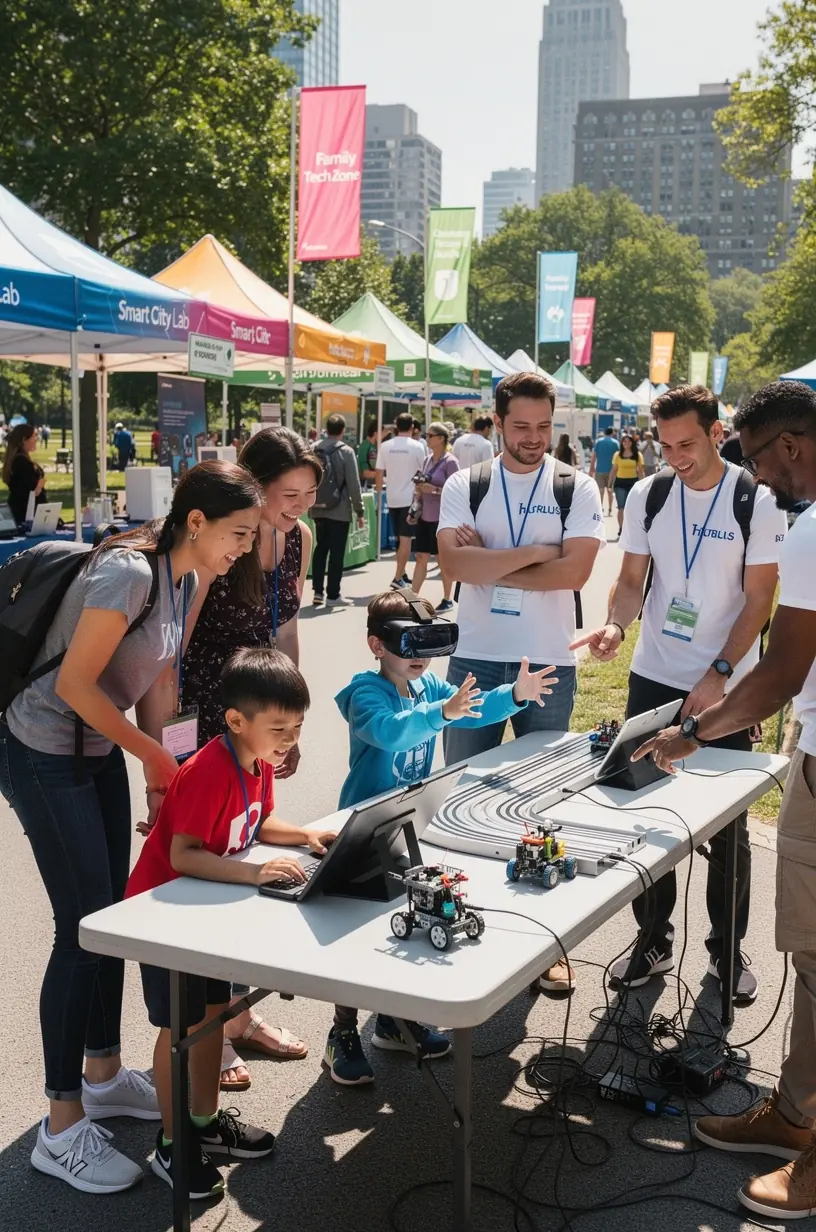
"Urban spaces equipped with technology can adapt to the needs of their users, promoting accessibility and safety."
Smart Parks and Green Spaces
One of the most notable examples of tech integration in public spaces is the development of smart parks. These parks often feature interactive elements like digital kiosks that provide information about local wildlife and plant species, as well as augmented reality experiences for educational purposes. Many urban planners recommend these solutions as they not only promote environmental awareness but also encourage community interaction.
Benefits of Smart Parks
- Enhanced Engagement: Interactive features foster a greater connection between residents and their surroundings.
- Sustainable Practices: Technology can be used to monitor environmental conditions, ensuring that green spaces are maintained effectively.
- Safety Improvements: Surveillance and smart lighting can make parks safer for visitors, especially at night.
Public Transportation and Accessibility
The integration of technology in public transportation systems is another crucial aspect of modern urban planning. Apps that provide real-time updates on transit schedules can significantly enhance the user experience. Research indicates that cities with efficient transit apps see increased public transport usage, which can help reduce traffic congestion and pollution.
Key Features of Modern Transit Systems
- Real-Time Tracking: Users can receive updates on the location and expected arrival times of buses and trains.
- Accessibility Features: Many transit systems now offer features tailored to individuals with disabilities, ensuring that public transportation is inclusive.
- Integrated Payment Systems: Mobile payment options make it easier for users to navigate the system without the need for cash or physical tickets.
Conclusion
As urban areas continue to evolve, the integration of technology into public spaces is becoming increasingly important. While these advancements can significantly enhance the functionality and user experience of urban environments, it is essential to consider the unique needs of each community. Urban planners and city officials must approach these changes thoughtfully, ensuring that technology serves as a tool for inclusivity and sustainability. Future developments may take time to implement fully, but the potential benefits for urban communities are considerable.