
Exploring the Future of Urban Mobility Solutions
As cities evolve, so too do the ways in which we navigate them. Urban mobility solutions are becoming increasingly essential, integrating technology to improve accessibility and efficiency. This article explores emerging trends and innovations that promise to reshape urban transport.
Understanding the Current Landscape
Urban mobility is influenced by various factors, including population density, economic conditions, and environmental concerns. According to the U.S. Department of Transportation, the demand for efficient transportation alternatives has surged as urban populations grow. This shift has led to a rise in innovative approaches, from electric scooters to on-demand ride services.
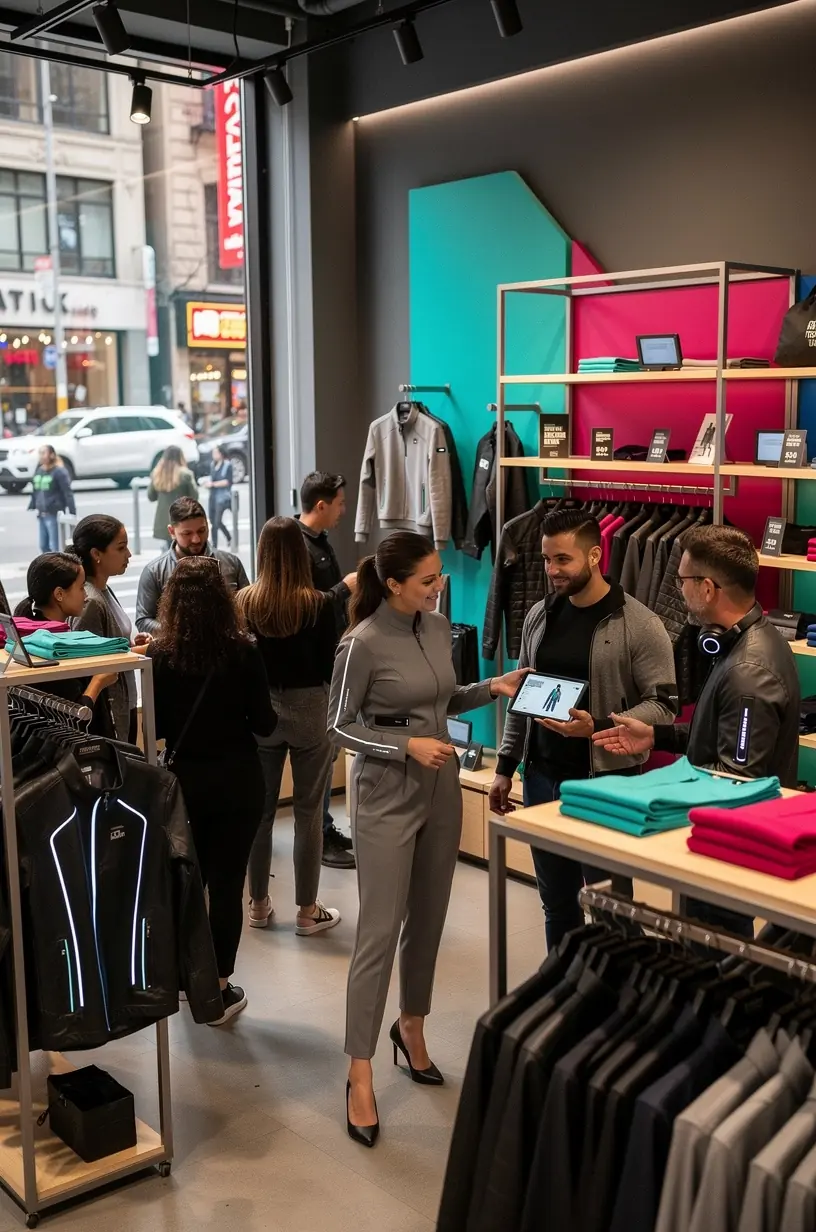
"The integration of technology in urban mobility is not just a trend; it's a necessity for sustainable development." — Urban Mobility Expert
Key Trends Shaping Urban Mobility
- Electrification of Transport: Electric vehicles (EVs) are becoming more prevalent, supported by government incentives and increasing infrastructure. Research indicates that EVs can reduce greenhouse gas emissions by 30-70% compared to traditional vehicles.
- Micromobility Solutions: Many cities are embracing options like e-scooters and bikes. Studies show that these solutions can alleviate congestion and support last-mile connectivity, making them ideal for short trips.
- Smart Public Transit: The adoption of real-time tracking and user-friendly apps enhances user experience in public transportation. According to industry reports, these technologies can increase public transport ridership by up to 15% when effectively implemented.
Challenges and Considerations
While the future of urban mobility appears promising, several challenges persist. Implementing sustainable solutions typically requires significant time and investment. Additionally, integrating various modes of transport demands comprehensive planning and cooperation among stakeholders.
Many experts recommend a phased approach, beginning with pilot projects that can provide valuable data and insights. This method allows for adjustments based on real-world feedback, which is essential for optimizing urban mobility strategies.
Conclusion: Looking Ahead
The future of urban mobility is not only about enhancing convenience but also about creating sustainable, efficient systems that serve communities. As technologies evolve and urban planners adapt, residents can expect a more seamless integration of transport options. While the journey towards improved urban mobility involves challenges, the potential benefits for society and the environment make it a worthy endeavor.
Learn More