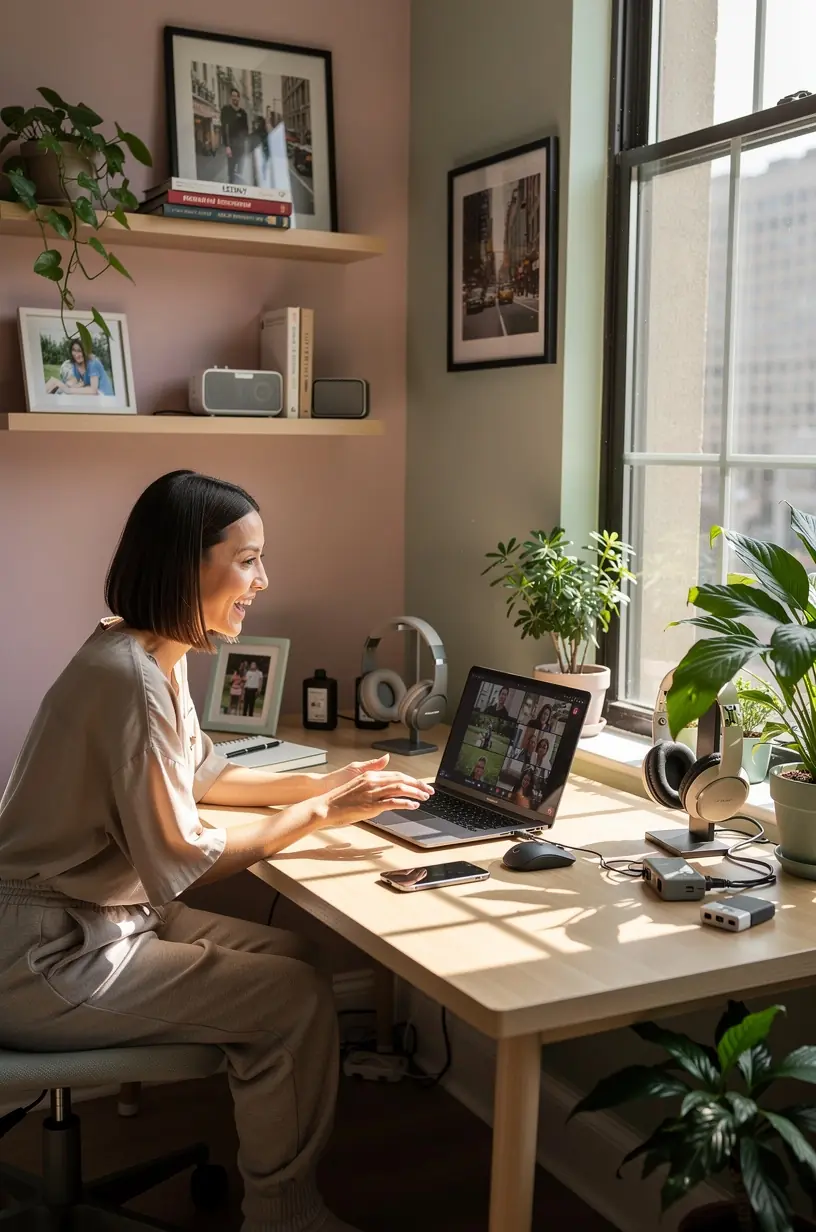
Practical Steps to Optimize Your Home Office Setup
In today's fast-paced world, optimizing your home office setup can significantly enhance productivity and well-being. This article outlines practical steps based on expert recommendations and research findings that can help you create a functional and inspiring workspace.
Understanding the Basics
Creating an effective home office requires more than just a desk and a chair. Research shows that a well-organized workspace can improve focus by up to 30% in numerous cases. Experts recommend considering elements such as ergonomics, lighting, and organization to foster a productive environment.

"An organized workspace can lead to a 20-30% increase in productivity." - Productivity Research Group
Key Elements of a Successful Home Office
- Ergonomic Furniture: Investing in ergonomic chairs and desks can reduce strain and discomfort. According to industry standards, a good chair should support your lower back and promote good posture.
- Proper Lighting: Natural light is often preferable, as it can improve mood and energy levels. Studies indicate that adequate lighting can decrease eye strain and enhance focus, making it essential to position your workspace near a window if possible.
- Organizational Tools: Utilizing shelves, storage solutions, and organizers can help keep your workspace clutter-free. Research suggests that a tidy environment helps stimulate clarity of thought and reduces stress.
Practical Application Steps
- Assess Your Space: Take time to evaluate your current workspace. Identify elements that may hinder productivity, such as poor lighting or uncomfortable seating. This assessment typically takes a few hours and lays the groundwork for improvements.
- Invest in Quality: While it may seem daunting, investing in quality furniture and organizational tools is crucial. This process requires consideration of your budget and often yields long-term benefits in comfort and efficiency.
- Create Zones: Designate specific areas for different tasks. For instance, set up a reading nook separate from your main working area. This method can improve focus and promote a balanced workflow.
Conclusion
Optimizing your home office is an ongoing process that can yield substantial benefits over time. By incorporating ergonomic practices, ensuring proper lighting, and maintaining organization, you can create an environment conducive to productivity. Remember, the changes you implement may take time to show results, often requiring a few weeks of adjustment. Take these practical steps to establish a workspace that supports your daily routines and enhances your urban lifestyle.
Learn More